How to Prevent Appliance Fires: Essential Safety Guide
Appliances cause around 150,000 house fires a year, and most of them start the same way. The habits and checks that actually prevent them.
How to Prevent Appliance Fires: Essential Safety Guide
Appliances start somewhere north of 150,000 house fires every year in the US. Most of them are completely preventable, and they almost always start the same handful of ways. Here are the habits that actually move the needle.
Appliance Fire Statistics
Annual Fire Causes:
- Dryers: 15,000+ fires ($238M damage)
- Ranges/Ovens: 16,000+ fires
- Refrigerators: 1,500+ fires
- Washing Machines: 700+ fires
- Dishwashers: 1,000+ fires
Primary Causes:
- Lint buildup (dryers)
- Electrical failures
- Unattended cooking
- Poor maintenance
- Improper installation
Dryer Fire Prevention
Most Common Appliance Fire
Critical Maintenance
After Every Load:
- ✓ Clean lint filter completely
- ✓ Check for lint around dryer
- ✓ Ensure proper ventilation
Monthly:
- ✓ Vacuum lint trap housing
- ✓ Check vent hose for buildup
- ✓ Inspect for damage
Annually:
- ✓ Professional vent cleaning
- ✓ Inspect entire vent system
- ✓ Check for proper installation
Warning Signs
Call Professional Immediately If:
- Clothes take multiple cycles to dry
- Dryer exterior very hot
- Burning smell
- Lint accumulating around dryer
- Vent hood flap doesn't open
Safety Best Practices
Do:
- ✓ Use metal vent hose (not plastic)
- ✓ Keep vent run short and straight
- ✓ Clean lint filter every load
- ✓ Dry similar fabrics together
- ✓ Use moisture sensor
Don't:
- ✗ Dry items with rubber, foam, or plastic
- ✗ Overdry clothes
- ✗ Leave dryer running when away
- ✗ Ignore burning smells
- ✗ Use damaged dryer
Range/Oven Fire Prevention
Second Most Common Appliance Fire
Cooking Safety
Never:
- Leave cooking unattended
- Use water on grease fires
- Store flammables near stove
- Wear loose clothing while cooking
- Let children play near stove
Always:
- Keep cooking area clean
- Turn pot handles inward
- Have fire extinguisher nearby
- Keep baking soda handy (for grease fires)
- Stay in kitchen when frying
Maintenance
After Each Use:
- Wipe up spills immediately
- Check burners turned off
- Remove flammable items
Monthly:
- Deep clean stovetop
- Clean oven (self-clean or manual)
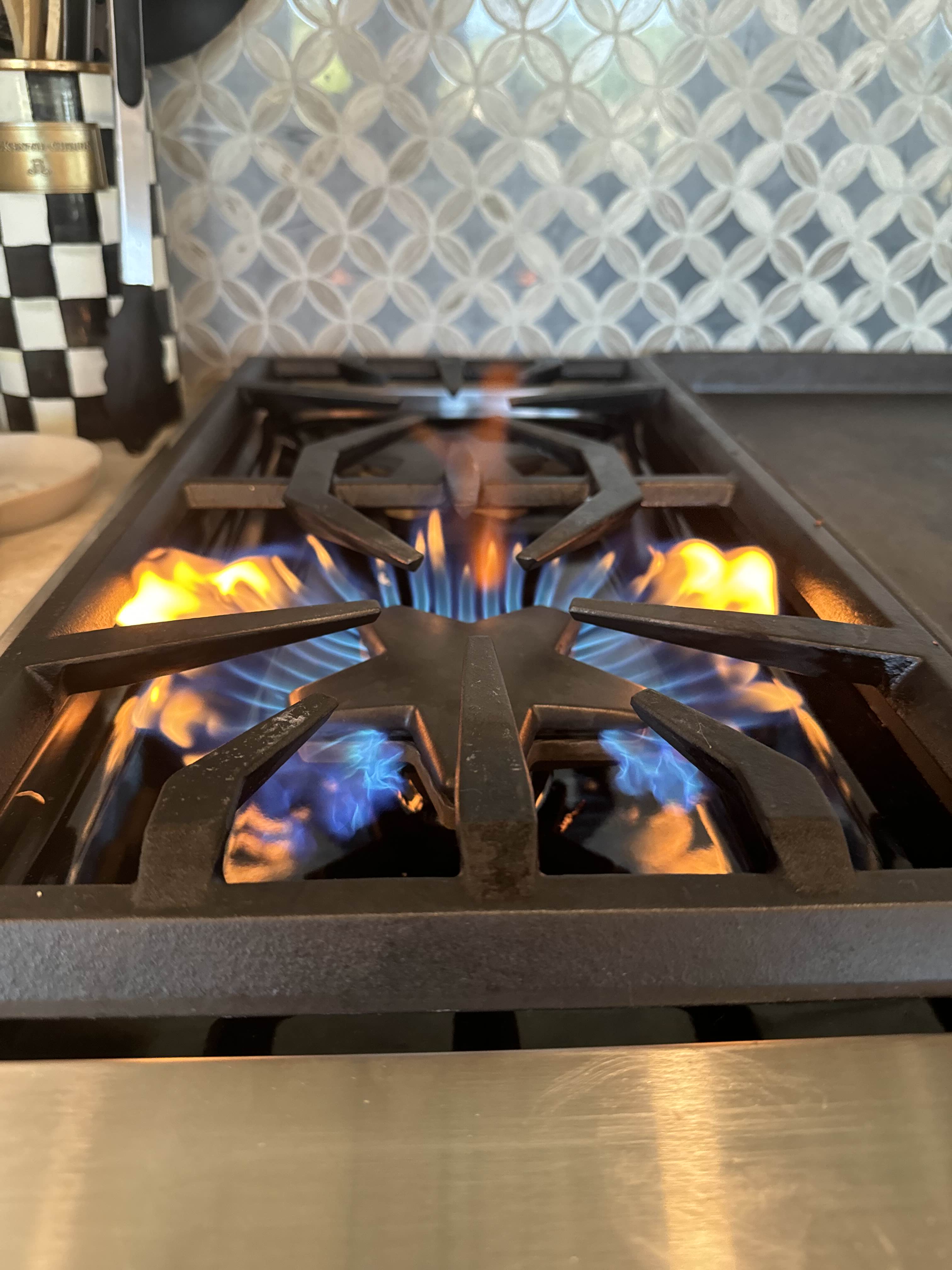
- Check burner flames (gas)
- Inspect heating elements (electric)
Annually:
- Professional inspection
- Check gas connections
- Verify proper ventilation
- Clean range hood filters
Grease Fire Response
If Grease Fire Occurs:
- Turn off heat
- Cover with lid (starve oxygen)
- Pour baking soda on small fires
- Use fire extinguisher if large
- Evacuate if out of control
- Call 911 if needed
Never:
- Use water (spreads fire)
- Move burning pan
- Use flour or sugar
- Open oven door if fire inside
Refrigerator Fire Prevention
Less Common But Serious
Warning Signs
Immediate Concern:
- Burning smell
- Excessive heat on exterior
- Sparking sounds
- Tripping breakers
- Melted components
Call Professional:
- Any electrical issues
- Compressor very hot
- Unusual noises
- Frequent cycling
Prevention
Regular Maintenance:
- Clean condenser coils (every 6 months)
- Check power cord for damage
- Ensure proper ventilation
- Don't overload electrical circuit
Safety:
- Use dedicated circuit
- Proper grounding
- Surge protector
- Professional installation
Washing Machine Fire Prevention
Electrical and Mechanical Risks
Warning Signs
Stop Using If:
- Burning smell
- Excessive vibration
- Sparking
- Smoking
- Tripping breakers
Prevention
Maintenance:
- Don't overload
- Use correct detergent amount
- Clean regularly
- Check hoses for wear
- Level machine properly
Electrical Safety:
- Dedicated circuit
- GFCI protection
- Proper grounding
- Professional installation
Dishwasher Fire Prevention
Electrical and Heating Element Risks
Warning Signs
Immediate Concern:
- Burning smell
- Melted components
- Sparking
- Excessive heat
- Tripping breakers
Prevention
Safety Practices:
- Don't run when away
- Use correct detergent
- Clean filter regularly
- Check for recalls
- Professional installation
General Appliance Safety
Electrical Safety
Critical Rules:
-
Proper Circuits
- Major appliances need dedicated circuits
- Proper amperage for appliance
- GFCI protection where required
-
Power Cords
- Check for damage regularly
- Don't use extension cords
- Replace frayed cords immediately
- Proper grounding
-
Outlets
- Three-prong outlets required
- No adapters or cheaters
- Tight connection (not loose)
- Professional installation
Installation Safety
Professional Installation Required:
- Gas appliances (licensed technician)
- Electrical connections (licensed electrician)
- Water connections (proper shutoff valves)
- Ventilation systems (proper ducting)
DIY Installation Risks:
- Gas leaks (explosion risk)
- Electrical fires
- Water damage
- Voided warranties
- Insurance issues
Recall Awareness
Check for Recalls:
- Register appliances when purchased
- Check CPSC website regularly
- Sign up for recall alerts
- Act immediately on recalls
Where to Check:
- CPSC.gov
- Manufacturer websites
- Appliance Safety Alerts
Fire Safety Equipment
Essential Equipment
Every Home Needs:
-
Smoke Detectors
- One per floor minimum
- Inside each bedroom
- Test monthly
- Replace batteries annually
- Replace units every 10 years
-
Fire Extinguishers
- Kitchen (Class K for grease)
- Laundry room (Class ABC)
- Near appliances
- Check pressure annually
- Know how to use (PASS method)
-
Carbon Monoxide Detectors
- Required with gas appliances
- One per floor
- Test monthly
- Replace every 5-7 years
PASS Method (Fire Extinguisher)
Remember:
- Pull the pin
- Aim at base of fire
- Squeeze handle
- Sweep side to side
Emergency Response Plan
If Appliance Fire Occurs
Small Fire:
- Turn off appliance
- Use fire extinguisher
- Call 911 if fire spreads
- Evacuate if out of control
Large Fire:
- Evacuate immediately
- Close door to room
- Call 911 from outside
- Don't re-enter
After Fire:
- Don't use appliance
- Professional inspection required
- Document for insurance
- Replace if damaged
Family Fire Plan
Prepare Your Family:
- Escape routes identified
- Meeting place outside
- Practice fire drills
- Everyone knows 911
- Never go back inside
Maintenance Schedule for Fire Prevention
Daily
- ✓ Clean dryer lint filter
- ✓ Check stove turned off
- ✓ Wipe up spills
Weekly
- ✓ Check appliances for issues
- ✓ Clean around appliances
- ✓ Test smoke detectors (monthly)
Monthly
- ✓ Deep clean appliances
- ✓ Inspect power cords
- ✓ Check for recalls
Annually
- ✓ Professional dryer vent cleaning
- ✓ Appliance inspections
- ✓ Replace smoke detector batteries
- ✓ Service fire extinguishers
The Bottom Line
Most appliance fires are preventable with:
- Regular maintenance
- Proper use
- Attention to warning signs
- Professional service when needed
- Working smoke detectors
Don't ignore warning signs:
- Burning smells
- Unusual noises
- Excessive heat
- Electrical issues
- Poor performance
When in doubt, call a professional. Your safety is worth it.
Need Professional Appliance Service?
Quick Tweak provides thorough safety inspections with every service call. We'll identify potential fire hazards and help keep your home safe.
Protect your home and family. Call 512-862-0699 or schedule service today!
Need Professional Help?
If you've tried these tips and still need assistance, Quick Tweak's expert technicians are here to help. Same-day service available in San Antonio!